Pet-Safe Lawn Treatments and Yard Chemistry: What Fertilizers and Weed Controls Are Safe With Regular Pet Use
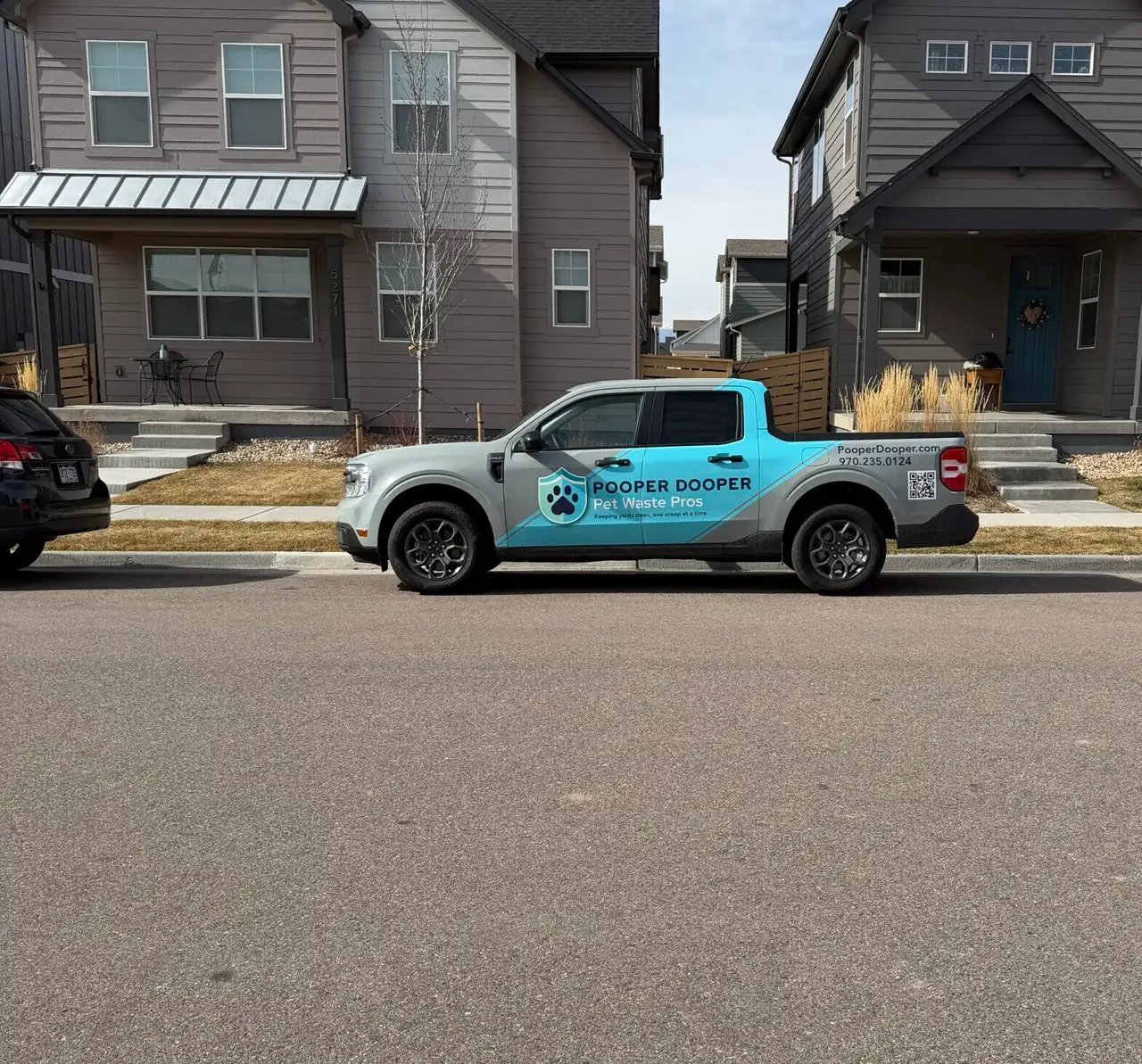
Pooper Dooper • May 2026 • Fort Collins, CO
Short Answer: Most conventional lawn treatments are safe for dogs once they have fully dried and the area has been watered in, but "fully dried" is doing a lot of work in that sentence. The real risks come from concentrated granular products eaten directly, herbicides walked across while still wet, and cocoa mulch (which is genuinely dangerous). Pet-safe doesn't mean "no chemistry"; it means "the right chemistry, applied correctly, with the right re-entry interval." Below, we'll walk through what's actually risky, what isn't, and how to keep a presentable Northern Colorado yard without putting your dogs in danger.
This is a topic where the marketing has gotten ahead of the science in both directions. On one side, there are companies selling "100% pet-safe" treatments that are mostly water and clover seed. On the other, there's plenty of online panic about treatments that are genuinely fine when used as directed.
What most pet parents actually want is a straight answer: what can I put on my lawn, when can the dogs go back out, and what should I avoid entirely? That's what we're going to give you.
We're not a lawn care company, so we don't have a product to sell you. Our work is the waste removal side of dog-friendly yards. But we talk with lawn care companies across Northern Colorado constantly, and we've put together what we've learned into a clear-eyed reference for our customers.
The First Thing to Understand: Dried Matters
The single most important variable for almost every lawn product is whether it's still wet or fully dried and watered in. Most herbicides, most fertilizers, and most synthetic treatments are largely safe once they've bonded to the soil and the surface is dry.
The risk window is the application day and usually the next twelve to twenty-four hours, depending on the product, the weather, and whether it's been watered in.
A reasonable default for most treatments is:
Follow that pattern and you'll avoid the vast majority of pet exposure risk from routine lawn care.
Fertilizers and Pet Safety
Most standard granular fertilizers (the typical NPK products you see at hardware stores) are not toxic at the application rate they're sold for. The risk is concentration. A dog who licks a fertilized lawn after it's been watered in is exposed to a very small amount. A dog who finds an open bag of fertilizer and eats half of it is in a veterinary emergency.
Things to watch for:
Herbicides and Weed Controls
This is where pet parents have the most anxiety, and for good reason. Some herbicides are genuinely concerning, others are routinely overhyped. Here's how to think about the main categories.
Glyphosate (Roundup and similar)
Glyphosate has been the most controversial lawn chemical in recent years. The current toxicology research, including from the EPA, finds it generally low-risk for pets at typical lawn application rates once dried. That said, given the broader debate around it, many pet parents and lawn care companies have moved away from it. If you want to avoid it, you can; there are alternatives.
2,4-D and Broadleaf Herbicides
These are the active ingredients in most "broadleaf weed killers" sold at hardware stores. They're not benign, but they're also not as dangerous as some online sources suggest. Re-entry intervals of 24 to 48 hours after the product has dried and been watered in are standard. Some studies have suggested elevated cancer risk in dogs with chronic exposure to 2,4-D treated lawns, which has pushed many pet parents toward alternatives.
Pre-Emergent Herbicides
Pre-emergents (applied in early spring to prevent weed seed germination) are typically among the safer herbicide categories for pets once they've been watered in. They work below the soil surface rather than on contact, so re-entry once the lawn is dry is generally safe.
Organic and OMRI-Listed Options
Organic doesn't automatically mean pet-safe (see organic fertilizers above), but for herbicides specifically, OMRI-listed options like corn gluten meal, acetic acid (vinegar-based), and iron-based herbicides are usually safer for pet households. They're often less effective on established weeds, but they're a reasonable trade for households with dogs who spend a lot of time on the lawn.
Insecticides and Lawn Pest Treatments
This is where things get a bit more cautious. Insecticides are designed to kill living things, and some categories have meaningful pet exposure risk even after drying.
Ice Melts and Snow Treatments
Worth mentioning even outside the spring growing season. Standard rock salt and many calcium chloride ice melts can irritate paw pads and cause stomach upset if licked off paws. Pet-safe ice melts (typically magnesium chloride or urea-based) are widely available at Northern Colorado hardware stores. Worth the small price difference.
What Lawn Care Companies in Northern Colorado Typically Use
Most reputable Fort Collins, Loveland, and Windsor lawn care companies use products labeled for residential use, with EPA registration numbers, and re-entry intervals that are clearly communicated to homeowners. When they show up to do an application, they typically:
If you work with a lawn care company, ask them directly: "What are you applying, what's the re-entry interval, and is this safe for the dogs?" Any good company will give you a clear, specific answer. If they can't, that's worth knowing.
The Bigger Picture: Pet-Safe Yards Are About System Design, Not Just Product Choice
Picking pet-safe products is one piece of the puzzle. Two others matter just as much.
First, storage. The vast majority of acute pet poisonings from lawn products happen because a dog got into a stored bag or container, not because of treated lawn contact. Store everything in a sealed, dog-proof location.
Second, waste removal. Dog waste left on a lawn for weeks interferes with how fertilizers and treatments perform. The nitrogen overload, pH shifts, and microbial disruption from accumulated waste mean lawn care products work less effectively, which often pushes homeowners to apply more product, which compounds both pet exposure and yard chemistry issues.
Consistent waste removal isn't just a quality-of-life thing. It's a real factor in how well your lawn responds to whatever treatments you choose, which means you need less product over time.
How We Fit Into This
Pooper Dooper handles the consistent waste removal piece for Northern Colorado families. Weekly residential service starts at $12 per visit. We coordinate around lawn care application schedules where possible. If your lawn company comes on Tuesday morning, we'll happily move you to Wednesday or Thursday so the products have time to dry and water in before we walk the yard.
To get a free quote, request one at pooperdooper.com , call (970) 235-0124 , or email jamie@pooperdooper.com . We'll send a custom price for your yard, usually the same day.